

Should I contest my traffic ticket?
Contesting a traffic ticket is often worth it. A single moving violation can raise your insurance rates by 20–40% for 3–5 years — far more than the fine itself. Contesting costs nothing beyond filing a request with the court, and many tickets are dismissed because the officer does not appear or the citation has technical defects. Even a reduction to a non-moving violation can protect your driving record.
What are my options when I receive a traffic ticket?
You generally have three options: (1) Pay the fine and accept the conviction — the fastest option but puts the violation on your record; (2) Traffic school — in many states, completing an approved defensive driving course masks the conviction from your insurance company and sometimes your record; (3) Contest the ticket — request a court hearing and appear before a judge or commissioner to challenge the citation.
How do I contest a traffic ticket?
Before your arraignment date, notify the court that you want to contest the ticket. You can usually do this by mail, online, or in person. Request a trial (sometimes called a 'not guilty' plea). The court will schedule a hearing date. In many jurisdictions you can request a 'trial by declaration' — a written trial where you submit a written statement without appearing in court.
What is a trial by written declaration?
A trial by written declaration (available in California and some other states) lets you contest a traffic ticket entirely in writing without going to court. You submit a written statement explaining why you are not guilty. The officer also submits a declaration. The judge reviews both and makes a decision. If you lose, you can request an in-person trial (de novo). You have nothing to lose by trying written declaration first.
What defenses can I raise to fight a traffic ticket?
Common defenses include: the officer made a factual error about your speed, lane, or the violation; the citation has errors (wrong date, wrong vehicle code section, wrong license plate); your conduct was a legal necessity (emergency); the sign or signal was obscured or not properly posted; the radar or laser device was not properly calibrated; or the officer fails to appear at the hearing (resulting in automatic dismissal in many states).

What happens at a traffic court hearing?
A traffic court hearing is informal compared to criminal court. You and the citing officer each present your sides to a judge or commissioner. You can cross-examine the officer, present evidence (photos, dashcam footage, diagrams), and call witnesses. Keep your presentation brief and focused. Judges hear dozens of cases per session — be respectful, organized, and get to the point quickly.
Can I negotiate with the prosecutor before my traffic court hearing?
Yes, many traffic courts have a brief 'offer' or arraignment period before the hearing where the prosecutor (or the judge in some informal courts) may offer to reduce the charge to a non-moving violation or dismiss with completion of traffic school. Arrive early, be polite, and ask if there is an offer available. This often results in a better outcome than going to trial.
What evidence should I gather to fight a traffic ticket?
Useful evidence includes: dashcam or security camera footage of the incident; photos of the intersection, road conditions, or signage; a diagram of the scene; your GPS or smartphone data showing your speed and location; documentation of any equipment that was recently calibrated (your own speedometer); maintenance records; and any witnesses who can corroborate your account.
How does a traffic ticket affect my insurance?
Insurance companies check your motor vehicle record (MVR) at renewal, typically every 1–3 years. A single moving violation can increase your premium 20–40%. Multiple violations or a DUI can trigger much larger increases or non-renewal. Traffic school or a successful contest can keep the violation off your record and prevent any premium increase. Even a reduction to a non-moving violation (equipment violation, fix-it ticket) typically does not affect rates.
What is traffic school and when should I use it?
Traffic school (defensive driving school) is a state-approved course that allows eligible drivers to have a moving violation masked on their record in exchange for completing the course. Eligibility typically requires: no traffic school in the past 18 months; the ticket was for a moving violation; you have a valid driver's license; and the violation did not involve drugs, alcohol, or commercial vehicles. Check your citation or local court's website for eligibility.
What happens if I ignore a traffic ticket?
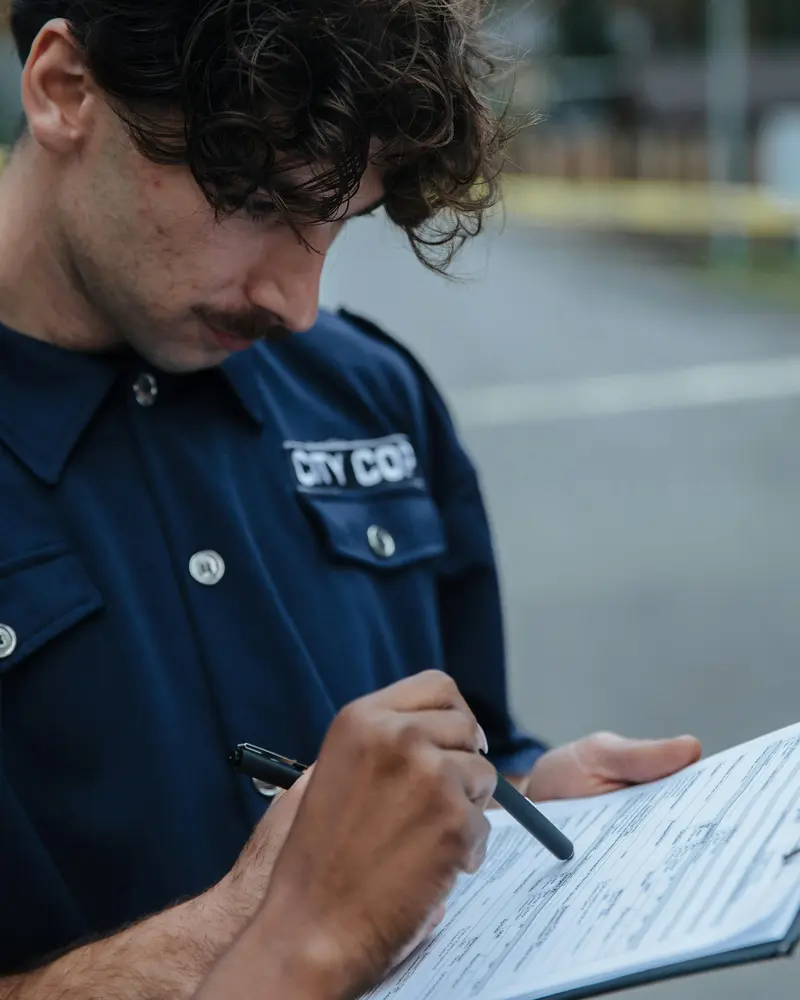
Ignoring a traffic ticket has serious consequences: the court will enter a default conviction; your driver's license may be suspended; a civil assessment fee (typically $300 or more) is added to the original fine; a warrant may be issued for your arrest; and in some states the DMV will put a hold on your license renewal. Always respond to a citation by the due date, even if just to request more time.
Can I get a traffic ticket dismissed for technical errors?
Yes. Officers must complete citations accurately. Significant errors — wrong date or time, wrong vehicle code section, wrong driver's license number, or failure to sign the citation — can result in dismissal. Minor clerical errors (misspelled name, wrong color of vehicle) usually do not cause dismissal unless they prejudice your defense. Review your ticket carefully before your court date and raise any errors at your hearing.
How does uplaw.ai help with a traffic ticket?
Tell us your situation in the chat and we walk you through every form and deadline at no cost.

Free to start
Ready to fight your ticket? Tell uplaw.ai what happened.
No account required. uplaw.ai identifies the right forms for your state, walks you through your hearing options, and helps you prepare your defense.