

What is a property boundary dispute?
A property boundary dispute occurs when two neighboring landowners disagree about where one property ends and the other begins. Common causes include old or conflicting surveys, encroaching fences, driveways, sheds, or landscaping built over the property line.
Do I need a lawyer to resolve a property boundary dispute?
No. Many boundary disputes are resolved through a licensed land surveyor's report, a written demand letter, or a quiet title action filed in your county superior court — all without an attorney.
What is a land survey and do I need one for a boundary dispute?
A land survey is a measurement by a licensed surveyor that establishes the exact boundaries of your property. It typically costs $400–$1,500 and is usually the first step in a boundary dispute — courts give surveys significant weight as evidence.
How do I find my property's boundary lines?
Review your property deed and any recorded plat maps at your county recorder or assessor's office. Most counties offer free online GIS parcel maps. For definitive boundaries, hire a licensed land surveyor to conduct a boundary survey.
What is a quiet title action and when do I need one?
A quiet title action is a lawsuit filed in your county superior court to legally establish who owns a disputed piece of land. You can file a quiet title complaint yourself using your state's civil complaint form — the court then issues a judgment confirming ownership.
What is adverse possession and could it affect my property?
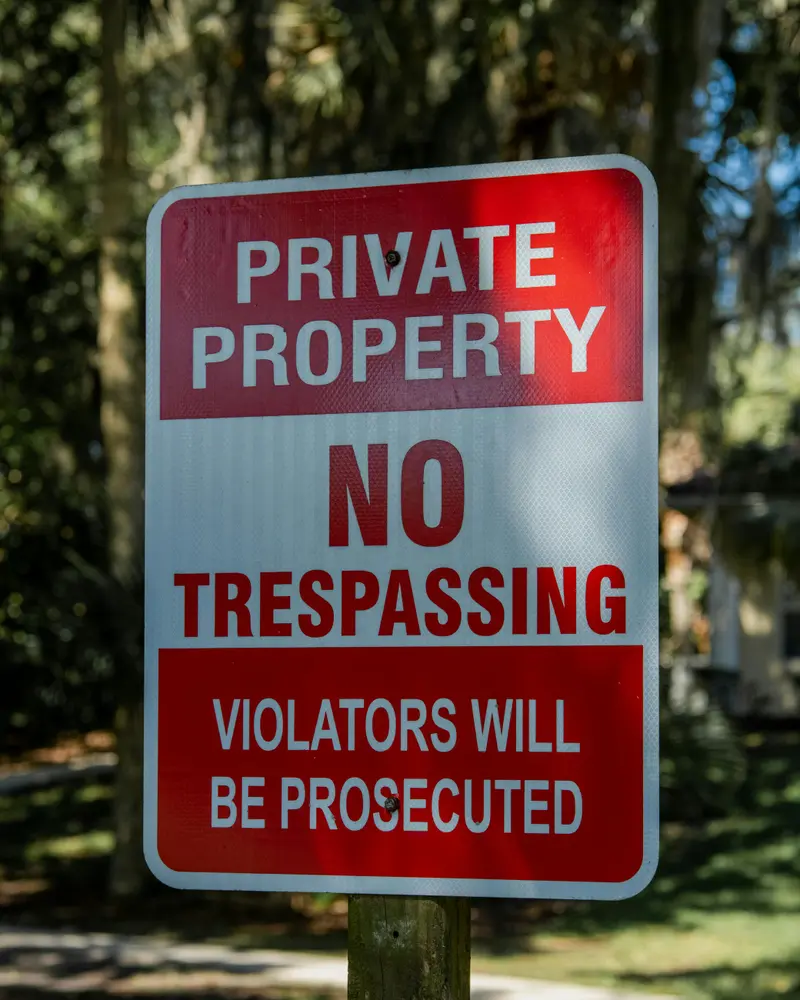
Adverse possession allows someone who openly and continuously uses a portion of your land for a statutory period (5–20 years depending on the state) to claim legal ownership of it. Posting "No Trespassing" signs and sending written notices can interrupt an adverse possession claim.
How do I stop my neighbor from building on my property?
Send a certified demand letter immediately documenting the encroachment. If they refuse to stop, file for a temporary restraining order (TRO) at your county superior court to halt construction while your boundary dispute is resolved — no attorney is required to file a TRO.
What if my neighbor's fence is on my property?
Hire a surveyor to confirm the encroachment, then send a written demand letter requesting removal within 30 days. If refused, file a small claims or civil action for trespass and removal. Most states allow recovery of survey costs as part of your damages.
What is an encroachment agreement and when should I sign one?
An encroachment agreement is a written contract allowing a neighbor's structure to remain on your property under specified terms. Be cautious — signing one can affect your property rights. Record the agreement with your county recorder to ensure it appears in the title chain.
How do I file a trespass claim for a boundary dispute?
File a civil trespass complaint in your county superior court or small claims court (for damages under your state's limit). Attach your survey, photos of the encroachment, a timeline of events, and your demand letter showing the neighbor's refusal to cure.

What records do I need to win a boundary dispute?
Gather your property deed, any recorded plats or subdivision maps from the county recorder, your surveyor's report, historical aerial photos, and dated photos of the current encroachment. The county assessor's GIS parcel map can also serve as supporting evidence.
How long does a boundary dispute take to resolve?
Disputes resolved by surveyor report and demand letter can be settled in weeks. Small claims cases take 1–3 months. Quiet title actions in superior court can take 6–18 months, but most cases settle before trial once the survey establishes the true boundary.
How does uplaw.ai help with a boundary dispute?
Tell us your situation in the chat and we walk you through every form and deadline at no cost.

Free to start
Ready to assert your property rights? Tell uplaw.ai what's happening.
No account required. uplaw.ai identifies the right court forms for your state, drafts your demand letter, and walks you through every step of a quiet title or trespass action.