
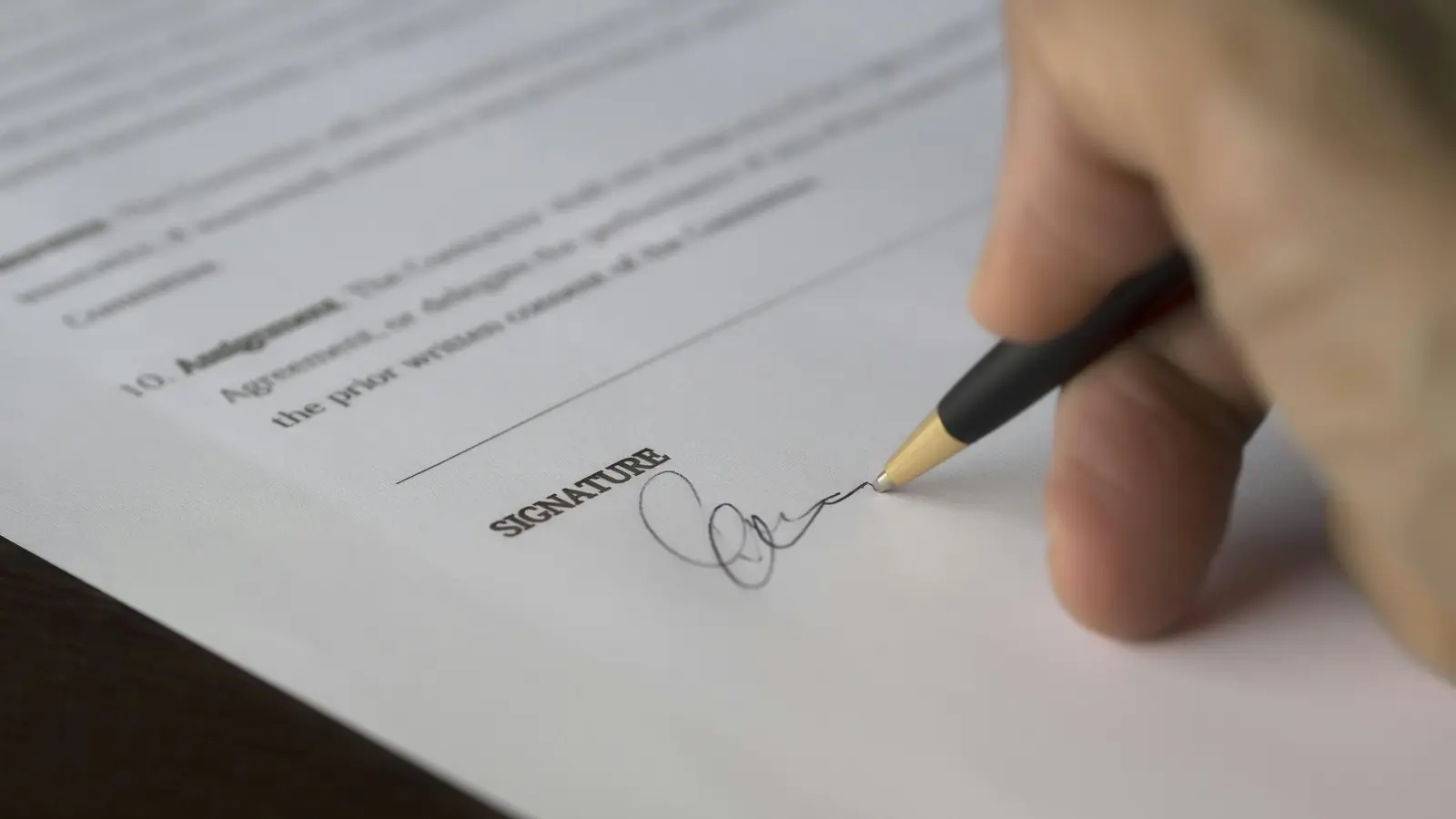
What does it mean to get a document notarized?
Notarization is the official process by which a licensed notary public certifies that a signature on a document is authentic — that the signer appeared before the notary, presented valid identification, and signed willingly. The notary stamps or seals the document and records the transaction in a notary journal. Notarization deters fraud and makes documents legally recognized.
Where can I get a document notarized?
Common locations include: banks and credit unions (free for account holders), UPS Stores and shipping centers, FedEx Office locations, public libraries, real estate offices, law offices, tax preparation offices, and some pharmacies. Many courthouses and city hall offices also provide notary services. AAA offices notarize for members at no charge. Fees where charged are typically $5–$15 per signature.
What do I need to bring to get a document notarized?
Bring: the unsigned document (do not sign it beforehand — the notary must witness your signature), valid government-issued photo ID (driver's license, state ID, passport, or military ID), and any required fee. If the document requires multiple signers, all signers must appear before the notary together. The notary will verify your identity, watch you sign, then apply their seal.
Do I need to sign the document before going to the notary?
No — and this is the most common mistake people make. The notary must witness your signature. If you sign a document before appearing before the notary, the notary cannot notarize it (or must ask you to sign again in their presence). If the document has already been signed, check whether it can be re-signed or whether a different type of authentication is needed.
What types of documents commonly require notarization?
Documents commonly requiring notarization include: real estate deeds and mortgage documents, power of attorney, affidavits, wills and trusts (in some states), vehicle title transfers, business contracts, financial agreements, immigration forms (some), adoption consent forms, and certain court filings. Check the document itself or the issuing agency's requirements to confirm notarization is needed.

What is remote online notarization (RON)?
Remote online notarization allows you to get a document notarized via live two-way video call rather than appearing in person. Most states now authorize RON. The notary verifies your identity using knowledge-based authentication questions and credential analysis, then witnesses you sign electronically. Services like Notarize.com, DocVerify, and Proof offer 24/7 online notarization for around $25.
How much does it cost to get a document notarized?
Many banks and credit unions notarize for free for account holders. UPS and FedEx typically charge $10–$15 per signature. Mobile notaries who travel to you charge $50–$150+ depending on distance and time. Remote online notarization services typically charge $25–$50 per session. States set maximum fees notaries can charge per signature — commonly $5–$15, though some states allow more for loan signings.
Is a notarized document the same as a certified document?
No. Notarization verifies the identity of the signer and the authenticity of the signature. Certification verifies the authenticity of a copy of an original document — a certified copy of a birth certificate, for example, is issued by the government agency that holds the original record. Some documents require both: a notarized signature on a certified copy.
What is an apostille and when do I need one?
An apostille is a form of authentication issued by a state secretary of state (or federal authority for federal documents) that makes documents valid in other countries that are parties to the Hague Apostille Convention (which includes most countries). If you need to use a U.S. document abroad, you may need the document notarized first and then apostilled. The apostille fee is typically $5–$20 per document.
Can any notary notarize any document?
In most states, any licensed notary can notarize any type of document — they are certifying the signature, not the document's legal content. A few exceptions: loan signings require a certified signing agent in some states; some documents must be notarized by a specific type of official (e.g., consular officers for documents used in foreign countries). The notary should refuse to notarize if you do not have proper ID or if the document appears fraudulent.
Can I get a document notarized without an ID?
Standard notarization requires government-issued photo ID. If you do not have ID, some states allow credible witnesses — two people who know you and have ID — to vouch for your identity before the notary. Some states also allow a single credible witness who is personally known to the notary. Requirements vary by state. Expired ID is typically not acceptable.
What happens if a notarized document is later found to be fraudulent?
If someone uses a false identity or forged document during notarization, the notary is not liable if they followed proper procedure (verified ID, recorded in journal, witnessed signature). The person who committed fraud faces criminal charges. If the notary failed to follow proper procedures, they may face civil liability, notary commission revocation, and in some cases criminal charges for notary misconduct.
How does uplaw.ai help with document notarization?
Tell us your situation in the chat and we walk you through every form and deadline at no cost.

Free to start
Need a document prepared before notarization? Tell uplaw.ai.
No account required. uplaw.ai drafts affidavits, powers of attorney, and other documents you can bring straight to the notary.