
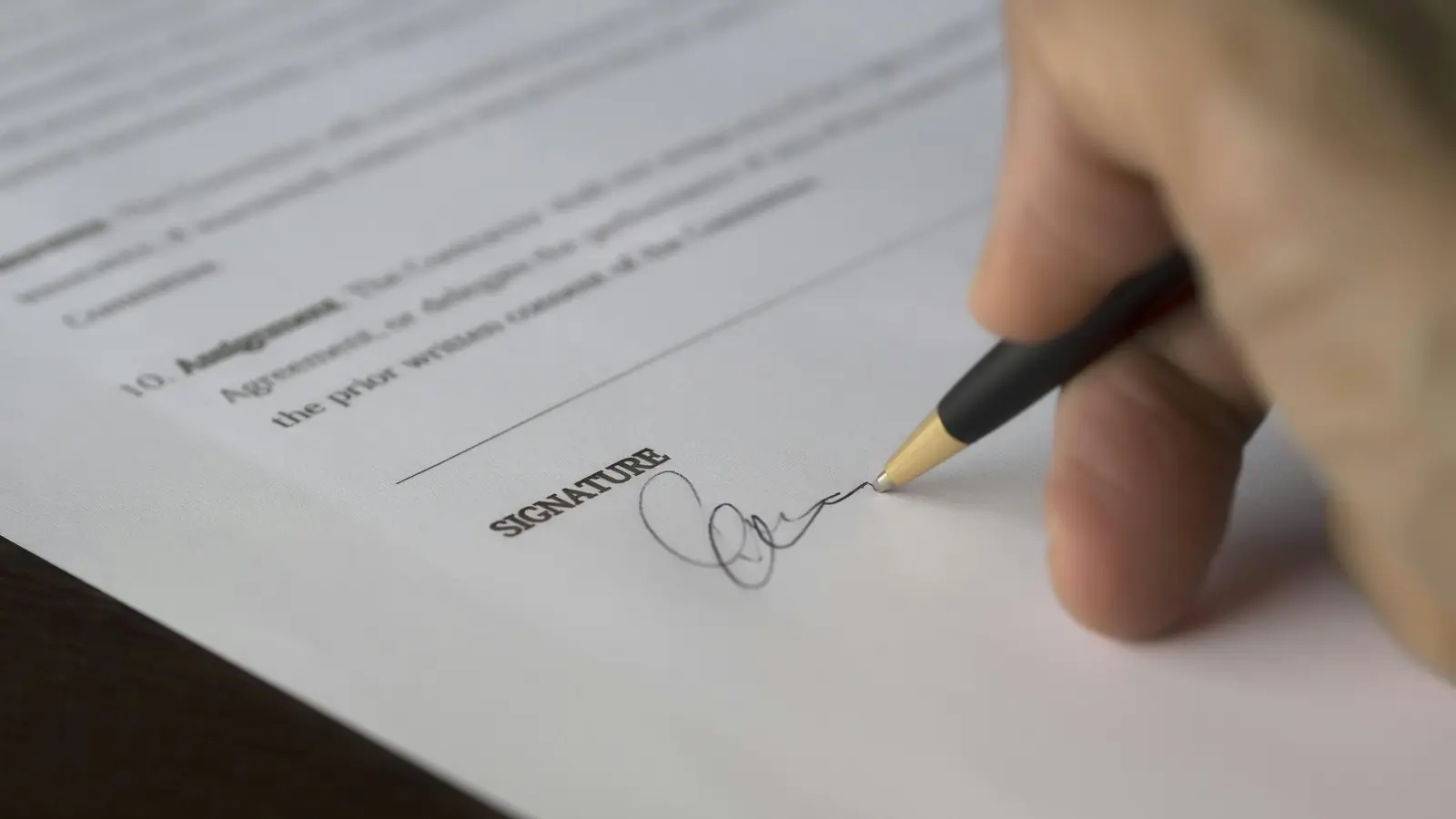
What is an affidavit?
An affidavit is a written statement of facts made under oath and notarized by a public notary. By signing an affidavit, you are swearing or affirming that the statements are true to the best of your knowledge. Affidavits are used as evidence in court proceedings, to support motions, to establish facts in administrative proceedings, and in many legal transactions. Lying in an affidavit is perjury.
Do I need a lawyer to write an affidavit?
No. Anyone can write their own affidavit. The document must clearly identify who you are, state the facts you are swearing to in numbered paragraphs, and end with a sworn statement (jurat). You then sign it in front of a notary who witnesses your signature and applies their seal. uplaw.ai drafts affidavits for any purpose at no cost.
What are the required elements of a valid affidavit?
A valid affidavit must contain: (1) the title identifying the document type and your name (e.g., "Affidavit of Jane Smith"); (2) your full legal name, address, and a statement that you are of legal age and competent to make the statement; (3) numbered paragraphs stating each fact you are swearing to; (4) a statement that the facts are true to the best of your knowledge; (5) your signature; and (6) a notary acknowledgment with the notary's signature, seal, and the date and state of notarization.
What is the difference between an affidavit and a declaration?
An affidavit is signed before a notary who witnesses your oath. A declaration (also called an unsworn declaration or penalty of perjury declaration) is signed without a notary but includes language stating that you declare under penalty of perjury that the contents are true. Under 28 U.S.C. § 1746, federal courts accept unsworn declarations. Many state courts also accept them. Check the specific court's requirements.
What is an affidavit of support?
An affidavit of support (Form I-864) is a binding legal contract used in immigration cases where a U.S. citizen or permanent resident sponsors a family member for a green card. By signing it, you promise to support the immigrant financially and repay any means-tested public benefits they receive. The obligation lasts until the immigrant becomes a U.S. citizen or works 40 qualifying quarters of Social Security credit.
What is a general affidavit?
A general affidavit is a flexible format used when you need to swear to a specific set of facts for any purpose — verifying your identity, confirming an address, attesting to a lost document, or providing factual background for a legal proceeding. There is no single standard form for a general affidavit — you state the relevant facts clearly, sign under oath before a notary, and attach any supporting documents.
What is an affidavit of heirship?
An affidavit of heirship is a document used to establish who inherits a deceased person's property — typically real estate — when the estate passes without a formal probate. Two disinterested witnesses who knew the deceased sign sworn statements describing the family relationships and the deceased's heirs. The affidavit is then recorded in the county property records. Many states recognize it as transferring title without probate for qualifying estates.
How do I file an affidavit with the court?
File the notarized affidavit at the clerk's office of the court handling your case. Most courts require the original with original notary seal — copies are not accepted. Pay the filing fee or request a waiver. If filing in support of a motion, attach it as an exhibit. Keep a conformed copy (file-stamped by the clerk) for your records. Some courts accept electronic filing of affidavits in PDF format.
What is an affidavit of domicile?
An affidavit of domicile is a sworn statement used in financial and legal transactions — particularly when transferring securities after a death — that certifies where the deceased person legally resided at the time of death. It is typically required by brokerage firms and transfer agents to process the transfer of stocks and mutual funds to heirs without probate.
Can an affidavit be challenged in court?
Yes. The other party can challenge an affidavit by cross-examining the affiant at a hearing, presenting contradictory evidence, or arguing the affidavit is procedurally defective (improper notarization, failure to swear under oath). Affidavits based on hearsay or speculation are given less weight than those based on personal knowledge. The person who signed the affidavit must be available to testify if called.

What is a self-proving affidavit for a will?
A self-proving affidavit is a document attached to a will in which the testator and witnesses swear before a notary that the will was properly executed. When filed with probate court, a self-proving will does not require the witnesses to appear and testify — the affidavit substitutes for their live testimony. Most states allow this procedure and many attorneys routinely include it when drafting wills.
What should I not include in an affidavit?
Do not include: statements based on hearsay (what someone else told you) rather than your own personal knowledge; opinions or legal conclusions (state facts, not what you think the law means); argumentative statements; irrelevant facts; or false statements. Courts treat affidavits as evidence of the specific facts stated — stick to what you personally observed, did, or know to be true.
How does uplaw.ai help with filing an affidavit?
Tell us your situation in the chat and we walk you through every form and deadline at no cost.

Free to start
Need an affidavit drafted? Tell uplaw.ai what you need to swear to.
No account required. uplaw.ai drafts your affidavit with all required elements — ready to take to a notary and file with the court.