
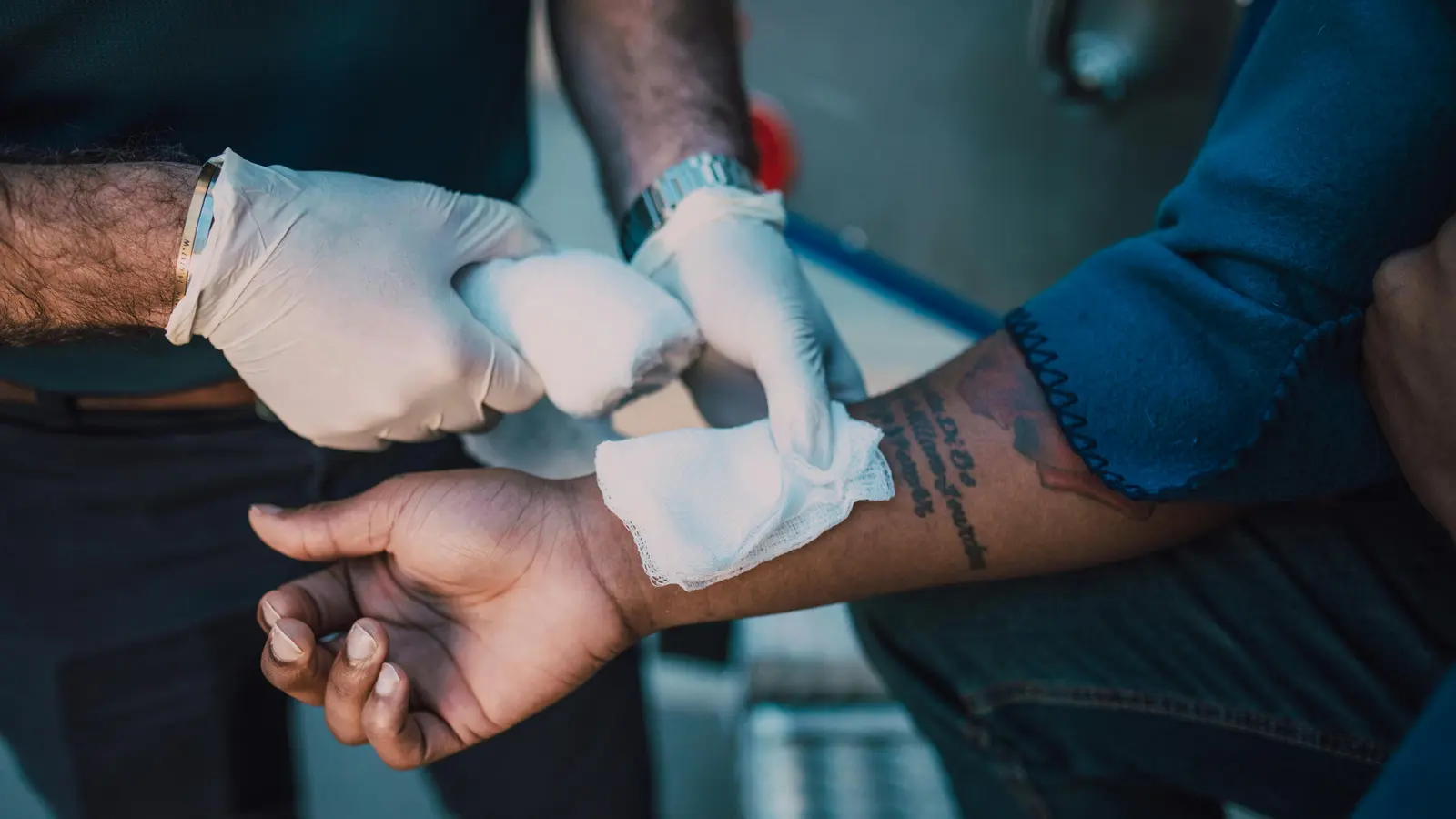
What is a personal injury claim?
A personal injury claim is a legal demand for compensation after you are injured due to someone else's negligence, recklessness, or intentional act. Common types include car accidents, slip and fall injuries, dog bites, medical malpractice, defective products, and workplace injuries. You can pursue a claim through an insurance demand letter or by filing a civil lawsuit.
What do I need to prove in a personal injury case?
To succeed in a negligence claim you must prove four elements: (1) Duty — the other party owed you a legal duty of care; (2) Breach — they breached that duty; (3) Causation — the breach directly caused your injury; and (4) Damages — you suffered actual harm (medical bills, lost wages, pain and suffering). All four must be present.
What is the statute of limitations for a personal injury claim?
The statute of limitations is the deadline to file a lawsuit. It varies by state and claim type: most states allow 2–3 years from the date of injury for general negligence; California is 2 years; New York is 3 years; Texas is 2 years. Claims against government entities often have notice requirements as short as 6 months. Missing the deadline bars your claim forever.
What should I do immediately after a personal injury?
Immediately after an injury: call 911 and get medical treatment even if you feel fine; document the scene with photos and video; get the names and contact information of witnesses; obtain the other party's insurance information; file a police report if applicable; and avoid giving a recorded statement to the other party's insurance company until you understand your rights.
Do I need a lawyer to file a personal injury claim?
Not for the initial steps. You can send a demand letter to the at-fault party's insurance company yourself. Many minor injury claims settle directly with the insurer. However, for serious injuries, disputed liability, or insurance bad faith, the process becomes more complex. uplaw.ai helps you document your claim and prepare your demand letter at no cost.

How do I calculate my personal injury damages?
Personal injury damages fall into two categories. Economic damages are specific, calculable losses: medical bills (past and future), lost wages, lost earning capacity, and property damage. Non-economic damages are harder to quantify: pain and suffering, emotional distress, loss of enjoyment of life, and loss of consortium. Insurance adjusters often use a multiplier of 1.5x to 5x your economic damages to estimate non-economic damages.
How do I write a personal injury demand letter?
A demand letter should: describe the accident and how it occurred; explain the other party's negligence; detail your injuries and all medical treatment received; list all out-of-pocket expenses; quantify your lost wages; describe your pain and suffering; attach supporting documentation (medical records, bills, photos, police report); and state a specific settlement amount you are demanding.
What happens after I send a personal injury demand letter?
The insurance adjuster will review your demand and either accept, reject, or make a counteroffer. Negotiations can take weeks to months. If the insurer denies liability, undervalues your claim, or acts in bad faith, your next step is typically filing in small claims court (for smaller amounts) or civil court. Most cases settle before trial.
What is comparative fault and how does it affect my claim?
Comparative fault means your compensation may be reduced if you were partly responsible for your injury. Most states follow modified comparative fault: if you are less than 50% (or 51% in some states) at fault, you can still recover damages, but they are reduced by your percentage of fault. A few states use pure comparative fault, where you can recover even if you are 99% at fault.
What is a personal injury settlement and how does it work?
A settlement is a negotiated agreement where the at-fault party's insurer pays you an agreed amount in exchange for a signed release of all claims. Once you sign the release and cash the settlement check, you generally cannot pursue any further compensation for that injury. Never sign a release without fully understanding its scope, especially if you are still receiving medical treatment.

What medical records do I need for a personal injury claim?
You will need: emergency room records; records from every doctor, specialist, and therapist who treated you; diagnostic imaging reports (X-rays, MRIs, CT scans); pharmacy records for prescribed medications; physical therapy notes; and a doctor's note describing your diagnosis, treatment, prognosis, and any permanent impairment. Request records from each provider directly — you are entitled to them under HIPAA.
Can I file a personal injury claim for emotional distress without physical injury?
In most states, yes, but it is more difficult. Intentional infliction of emotional distress requires extreme and outrageous conduct. Negligent infliction of emotional distress typically requires either physical injury or that you were in the "zone of danger." Some states allow bystander claims if you witnessed a loved one's serious injury. Documentation through mental health treatment records is critical.
How does uplaw.ai help with a personal injury claim?
Tell us your situation in the chat and we walk you through every form and deadline at no cost.

Free to start
Ready to act on your injury claim? Tell uplaw.ai what happened.
No account required. uplaw.ai helps you document your claim, prepare your demand letter, and understand every step of the process.