
What is a bill of sale in the UK and what does it cover?
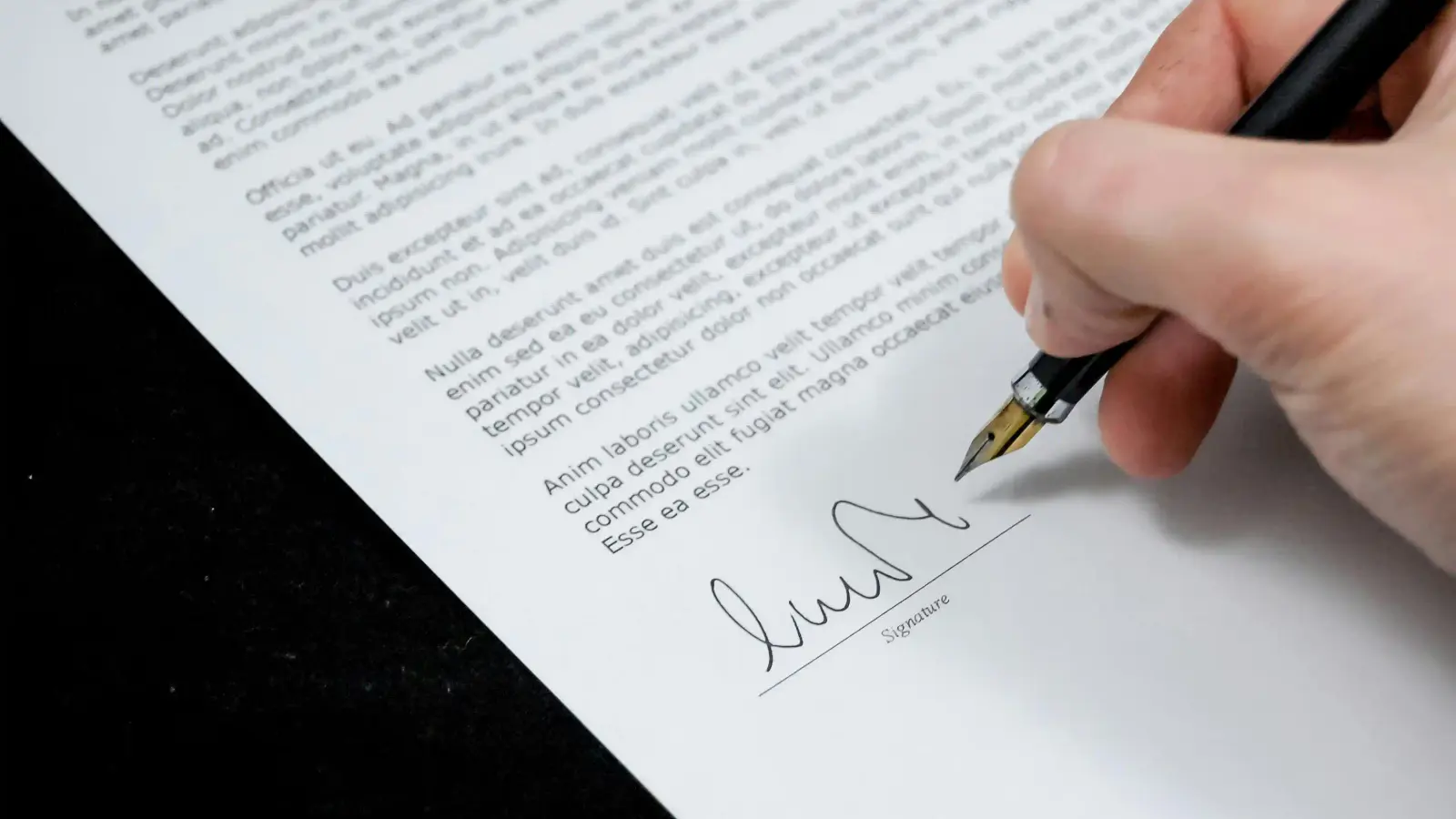
A bill of sale in the UK is a legal document that records the transfer of ownership of goods from one party to another. It is commonly used for vehicles, machinery, equipment, and personal property. It protects both the buyer and seller by providing written evidence of the transaction and its terms.
What should I include in a bill of sale in the UK?
A UK bill of sale should include the full legal names and addresses of both buyer and seller, a detailed description of the item being sold (including serial number, registration, or identifying features), the agreed sale price, the date of transfer, the condition of the item at the time of sale, and any warranties or representations made.
Do I need to register a bill of sale in the UK?
A simple receipt of sale transferring outright ownership does not need to be registered. However, a bill of sale used as security for a loan — where the seller retains possession of goods as collateral — must be registered at the High Court within seven days of execution under the Bills of Sale Act 1878, or it will be void against third parties.
What is the difference between a simple bill of sale and a secured bill of sale?
A simple bill of sale records an absolute transfer of ownership for full payment. A secured bill of sale (sometimes called a chattel mortgage) is used when goods are pledged as security for a loan while the borrower retains possession. The Bills of Sale Act 1882 governs secured bills and imposes strict form requirements and registration.

How do I check for outstanding finance on a vehicle before buying in the UK?
Before buying a used vehicle privately in the UK, you should carry out an HPI check (or equivalent vehicle history check from providers such as Experian, RAC, or AA). This reveals whether the vehicle has outstanding finance secured against it, has been written off, or has a stolen marker. Outstanding finance can transfer with the vehicle.
How do I transfer a vehicle to a new owner in the UK?
To transfer a vehicle legally in the UK, the seller must complete the V5C logbook and hand the new keeper slip (section 6 or 10 depending on the version) to the buyer. The buyer should then register with DVLA. Both parties should retain the bill of sale as evidence of the agreed terms of the private sale.
What consumer rights apply when buying goods from a trader in the UK?
When buying goods from a business (not a private seller), the Consumer Rights Act 2015 gives you statutory rights that the goods must be of satisfactory quality, fit for purpose, and as described. These rights cannot be excluded. Private sales do not carry the same statutory protections, which is why a written bill of sale is especially important.

Does a bill of sale need to be witnessed or notarised in the UK?
A simple private bill of sale does not require notarisation in the UK. However, for a secured bill of sale registered under the Bills of Sale Act 1878, the document must be attested by a solicitor or by a qualified witness in accordance with the statutory requirements. A simple sale receipt just requires both parties to sign.
What happens if a private seller misrepresents the goods in a UK bill of sale?
If a private seller makes false statements of fact about the goods that induce the buyer to enter the contract, the buyer may have a claim for misrepresentation under the Misrepresentation Act 1967. This can entitle the buyer to rescind the contract and/or claim damages. The written bill of sale is important evidence.
How does uplaw.ai help me write a bill of sale in the UK?
Tell us what you are selling, who the parties are, and what terms you have agreed in the chat. We help you draft a clear, accurate bill of sale that protects both buyer and seller, and alert you to any registration requirements that may apply to your specific transaction.

Free to start
Selling goods or a vehicle? Tell uplaw.ai what you need.
No account required. uplaw.ai drafts your UK bill of sale and checks whether any registration or transfer steps are required.