
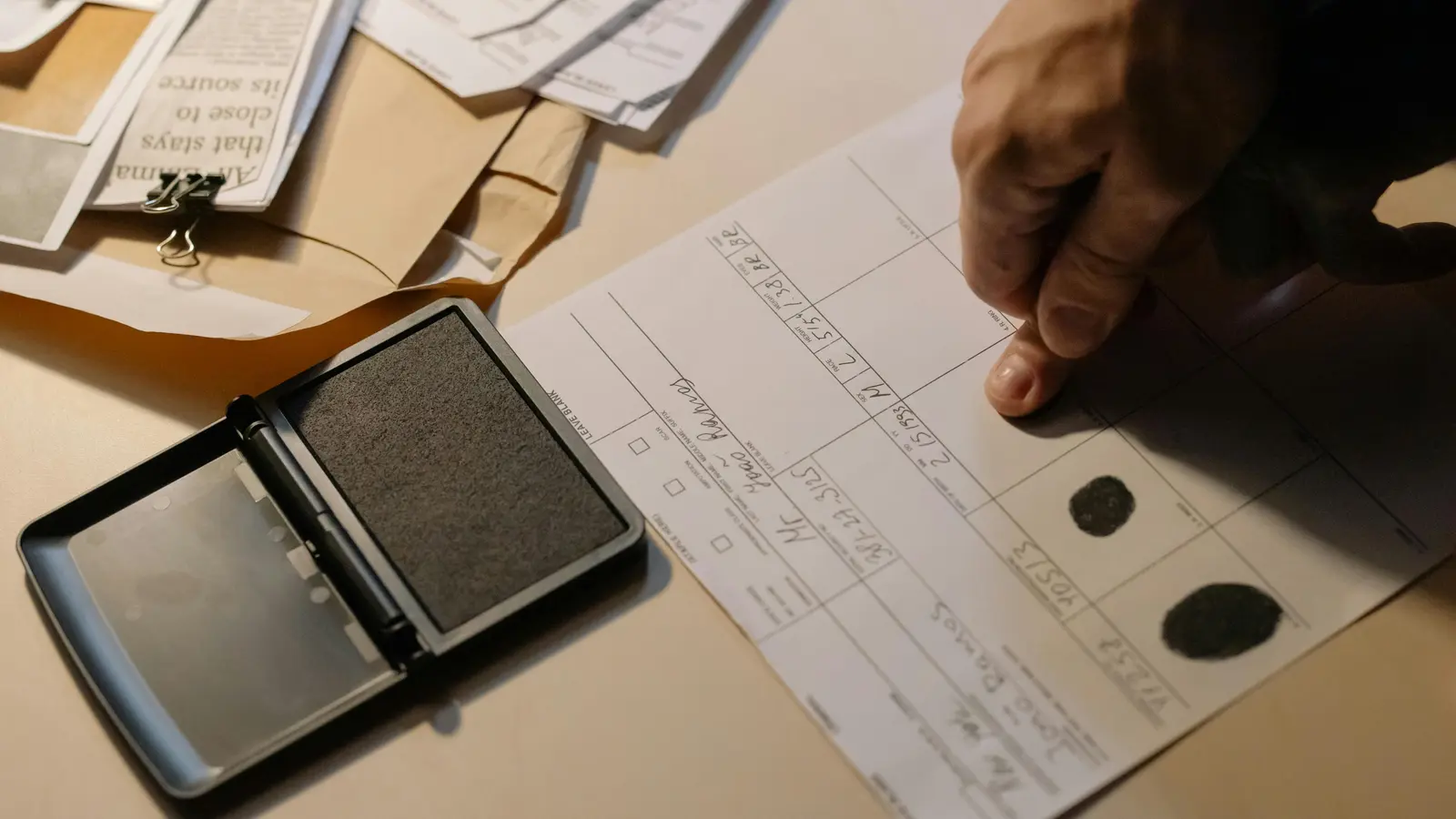
What does it mean for a conviction to be spent in the UK?
Under the Rehabilitation of Offenders Act 1974, a conviction becomes spent after a set rehabilitation period. Once spent, you are generally not required to disclose it to employers, insurers, or landlords and it will not appear on a standard DBS check.
How long is the rehabilitation period for different sentences?
Rehabilitation periods vary by sentence. A fine is spent after 12 months from the date of conviction. A community order is spent 12 months from the end of the order. Sentences up to 6 months in prison are spent 2 years from the end of the sentence. Sentences between 6 and 30 months are spent 4 years from release. Sentences of 4 years or more are never spent under the standard rules.
What is a standard DBS check and what does it show?
A standard Disclosure and Barring Service check shows both spent and unspent convictions, cautions, reprimands, and final warnings unless they have been filtered out. Filtering rules mean that older, minor offences may not appear even on a standard check after a set period.
What is an enhanced DBS check and when is it required?
An enhanced DBS check is required for roles involving regulated activity with children or vulnerable adults, certain healthcare roles, and other positions listed as excepted under the Rehabilitation of Offenders Act 1974 Exceptions Order 1975. Enhanced checks may include information held by local police forces.

What are the filtering rules for DBS checks in England and Wales?
Since 2013, certain old and minor offences are filtered from standard and enhanced DBS certificates. An adult conviction is filtered if it resulted in a non-custodial sentence, more than 11 years have passed since the conviction date, it is not on the list of offences that are never filtered, and there are no other convictions on the record.
What is the DBS Update Service and how does it help?
The DBS Update Service allows you to keep your DBS certificate up to date and allows employers to check its status online at any time. Subscribing costs £13 per year and means you may not need a new DBS certificate each time you change roles in the same sector.
How do I challenge an error on my DBS certificate?
If you believe information on your DBS certificate is incorrect or should have been filtered, you must apply for an independent review through the DBS disputes process within three months of the certificate being issued. You can contact the DBS helpline or write to the DBS using their disputes form. For police information that should not have been disclosed, you can also apply to the chief constable of the relevant police force.

Do I have to disclose a spent conviction when applying for a job?
In most cases, no. The Rehabilitation of Offenders Act 1974 protects you from being required to disclose spent convictions to standard employers. However, for excepted positions such as working with children, in healthcare, or in certain financial roles, you must disclose all convictions including spent ones.
How does Scotland treat spent convictions differently?
Scotland has its own separate framework. The Rehabilitation of Offenders Act 1974 (Exclusions and Exceptions) (Scotland) Order 2013 and the Management of Offenders (Scotland) Act 2019 apply. Scotland also has its own disclosure system operated by Disclosure Scotland, and rehabilitation periods under Scottish law differ in some respects from those in England and Wales.
How does uplaw.ai help with spent convictions in the UK?
Tell uplaw.ai your conviction type, the sentence you received, and when it was imposed. We will help you work out whether it is spent, whether it should appear on a DBS check, and what steps to take if you believe information has been wrongly disclosed.
Free to start
Want to know if your conviction is spent? Tell uplaw.ai what happened.
No account required. uplaw.ai works out your rehabilitation period and the right steps for your situation.