
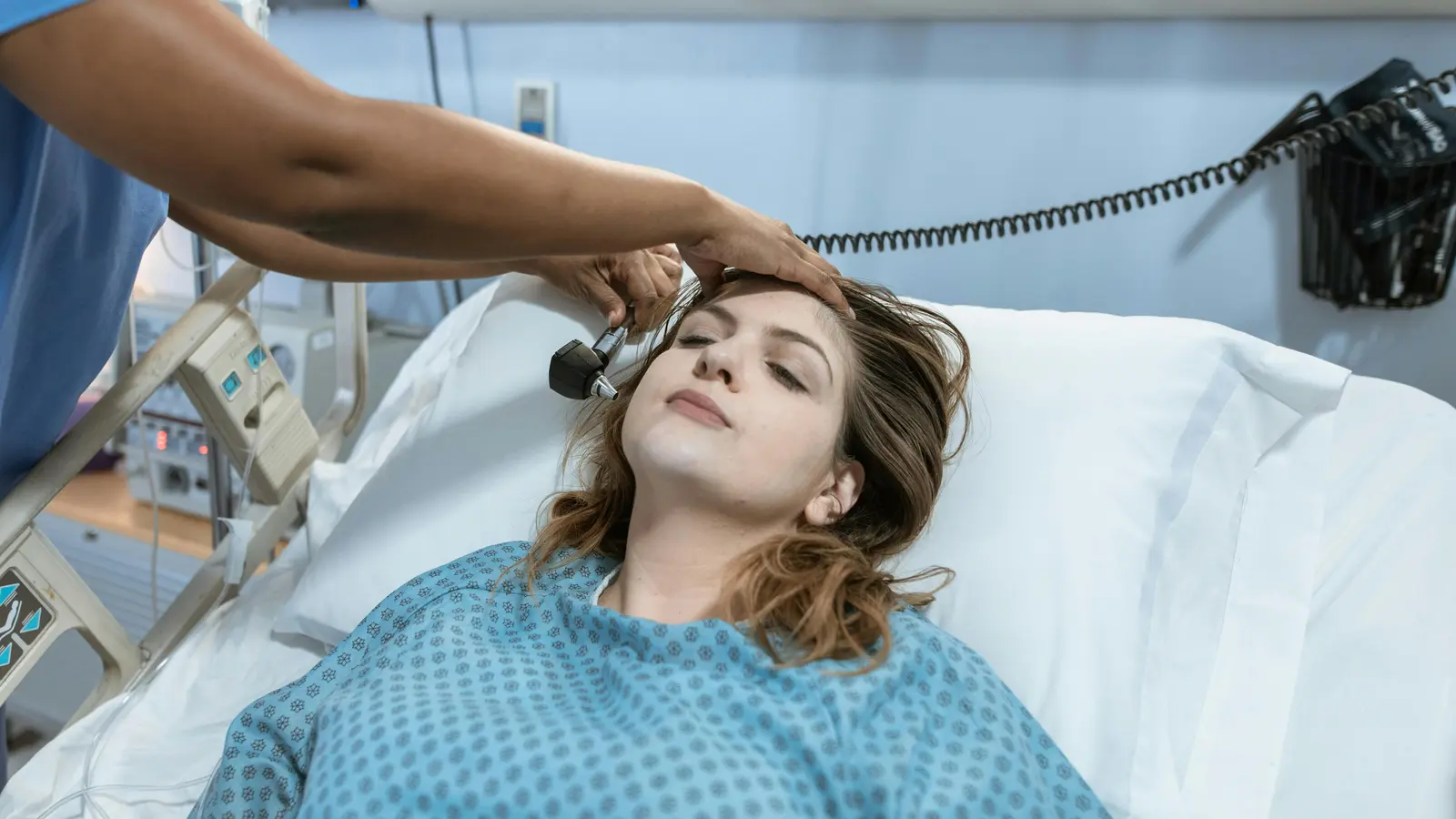
What is the first step when making a medical complaint about NHS care?
The first step is to raise your concerns with the Patient Advice and Liaison Service (PALS) at the NHS trust concerned. PALS can help resolve issues informally. If PALS cannot resolve the matter, you can make a formal complaint to the trust's complaints manager within 12 months of the incident or of becoming aware of the problem.
How do I make a formal NHS complaint and what can I expect?
Submit a written complaint to the NHS organisation's complaints department or to NHS England for primary care services such as GPs. The NHS must acknowledge your complaint within three working days and provide a full written response, known as a Regulation 14 response, within a timeframe agreed with you — typically 40 working days for complex complaints.
What can I do if I am unhappy with the NHS complaints response?
If you remain dissatisfied after the NHS has responded, you can refer your complaint to the Parliamentary and Health Service Ombudsman (PHSO) free of charge. The PHSO investigates complaints about NHS organisations in England and can recommend remedies including financial compensation, service improvements, and apologies.
How do I complain about a specific doctor to the General Medical Council?
If you have serious concerns about a doctor's fitness to practise — such as persistent poor conduct, criminal behaviour, or dishonesty — you can report them to the General Medical Council (GMC) at gmc-uk.org. The GMC investigates fitness to practise and can restrict or remove a doctor's licence. It does not award compensation.
What is the pre-action protocol for clinical disputes and when does it apply?
The Pre-Action Protocol for the Resolution of Clinical Disputes applies before you issue a court claim for clinical negligence. It requires you to send a detailed letter of claim to the NHS trust or provider and allow four months for a response. NHS Resolution handles claims on behalf of NHS trusts and will respond setting out whether liability is admitted or denied.
What is the NHS Redress Scheme for lower-value clinical negligence claims?
The NHS Redress Act 2006 allows NHS trusts to offer redress — including a monetary payment, an explanation, and an apology — for lower-value clinical negligence claims without the need for court proceedings. In Wales, the Putting Things Right scheme operates similarly. Accepting an offer does not prevent you from seeking legal advice before accepting.
Is Legal Aid available for clinical negligence claims in the UK?
Legal Aid for clinical negligence is restricted in England and Wales. It is only available for claims arising from neurological injury to a baby during pregnancy or childbirth where the baby survives with severe disability. For other clinical negligence claims, solicitors typically act on conditional fee agreements (no win, no fee).
How do I complain about a nurse or midwife in the UK?
If you have serious concerns about a nurse, midwife, or nursing associate, you can raise a fitness to practise concern with the Nursing and Midwifery Council (NMC) at nmc.org.uk. For care quality concerns about a care setting rather than an individual, contact the Care Quality Commission (CQC), which regulates health and social care services in England.
Does any part of the NHS complaints process require legal representation?
No. The NHS complaints process, PHSO referral, GMC concerns, and NMC concerns are all accessible without legal representation. NHS trusts must take all complaints seriously regardless of whether the complainant has a solicitor. For clinical negligence litigation itself, specialist legal advice is strongly advisable.
How does uplaw.ai help with medical complaints in the UK?
Tell us what treatment you received, what went wrong, and what outcome you experienced. We help you draft a formal NHS complaint letter, prepare a PHSO referral, and understand the pre-action protocol steps for a potential clinical negligence claim.
Free to start
Concerned about NHS care? Tell uplaw.ai what happened.
No account required. uplaw.ai identifies the right complaint route and drafts your formal NHS complaint letter.