
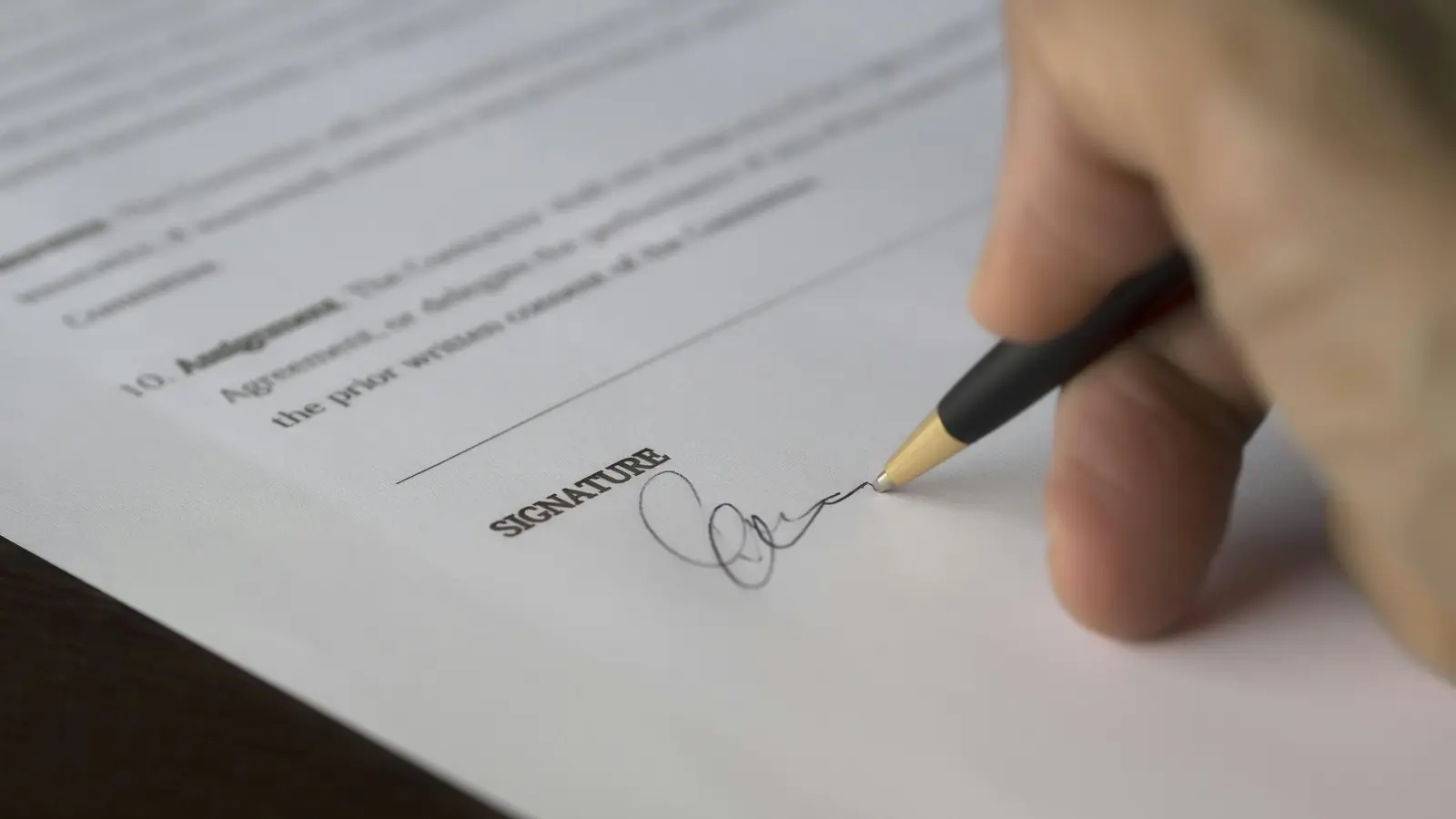
What is the difference between an affidavit and a statutory declaration in Canada?
An affidavit is a sworn written statement made before a commissioner for oaths, notary public, or lawyer and is typically used in court proceedings. A statutory declaration is a solemn written statement governed by the Canada Evidence Act or provincial legislation and is used for non-court purposes such as confirming facts, lost documents, or identity. Both carry legal weight and false statements in either can result in perjury charges.
Who can commission an affidavit or statutory declaration in Canada?
Affidavits may be commissioned by a commissioner for oaths, a notary public, or a lawyer who holds a valid commissioner designation. Statutory declarations are typically commissioned by a commissioner for oaths. Commissioners for oaths are appointed under provincial legislation and include many government employees, legal professionals, and certain regulated professionals.
Where can I find a free commissioner for oaths in Canada?
Service Canada offices provide free commissioning services for documents needed for federal government purposes. Many Members of Parliament and provincial MPPs or MLAs offer free commissioning to constituents. Some banks, municipal offices, and public libraries also provide the service. Always call ahead to confirm the specific document type they can commission.
What are the most common uses for affidavits and statutory declarations in Canada?
Common uses include confirming a legal name change, declaring a document has been lost or destroyed, supporting immigration applications to IRCC, verifying identity or relationship status, supporting court proceedings in provincial and federal courts, and satisfying requirements for financial institutions or government programs.

Are there provincial differences in how affidavits are handled in Canada?
Yes. Each province has its own Commissioner for Oaths or Notaries Act. Quebec has a distinct notarial system where notaires authentiques hold greater authority than commissioners in other provinces. In British Columbia, notaries public have a broader role than in most other provinces. Always confirm the provincial requirements for your specific document and purpose.
Can an affidavit made in one Canadian province be used in another?
Generally yes, provided it was properly sworn before a qualified commissioner in the originating province. However, some proceedings require commissioning within the jurisdiction where the document will be used. Check with the receiving court, government office, or institution to confirm their acceptance requirements.
What happens if I make a false statement in a statutory declaration or affidavit in Canada?
Making a knowingly false statement in a statutory declaration is an offence under section 138 of the Criminal Code of Canada. Making a false statement in an affidavit used in a judicial proceeding may constitute perjury under section 131 of the Criminal Code, which carries a maximum penalty of fourteen years imprisonment.

Do I need a notary for documents intended for use outside Canada?
For international use, documents often require notarization by a notary public followed by authentication by Global Affairs Canada, formerly known as the Department of Foreign Affairs. Canada is not a party to the Hague Apostille Convention for most purposes, so authentication through Global Affairs Canada serves as the equivalent step before the document can be legalized by the destination country.
Can I draft my own affidavit or statutory declaration without a lawyer?
Yes. You can draft your own affidavit or statutory declaration in plain language. The document must clearly state the deponent's full name, the facts being declared, the date, and a jurat or declaration clause. Once drafted, you bring it to a qualified commissioner who will witness your signature and administer the oath or solemn affirmation.
How does uplaw.ai help with affidavits and statutory declarations in Canada?
Tell uplaw.ai what you need to declare — whether for court, immigration, a lost document, or a name change — and we will identify the correct form or template, draft the declaration language, and help you understand the commissioning process in your province. We handle the document so you can focus on finding a commissioner.

Free to start
Need an affidavit or statutory declaration? Tell uplaw.ai what you need.
No account required. uplaw.ai drafts the right declaration language and guides you through the commissioning process in your province.