
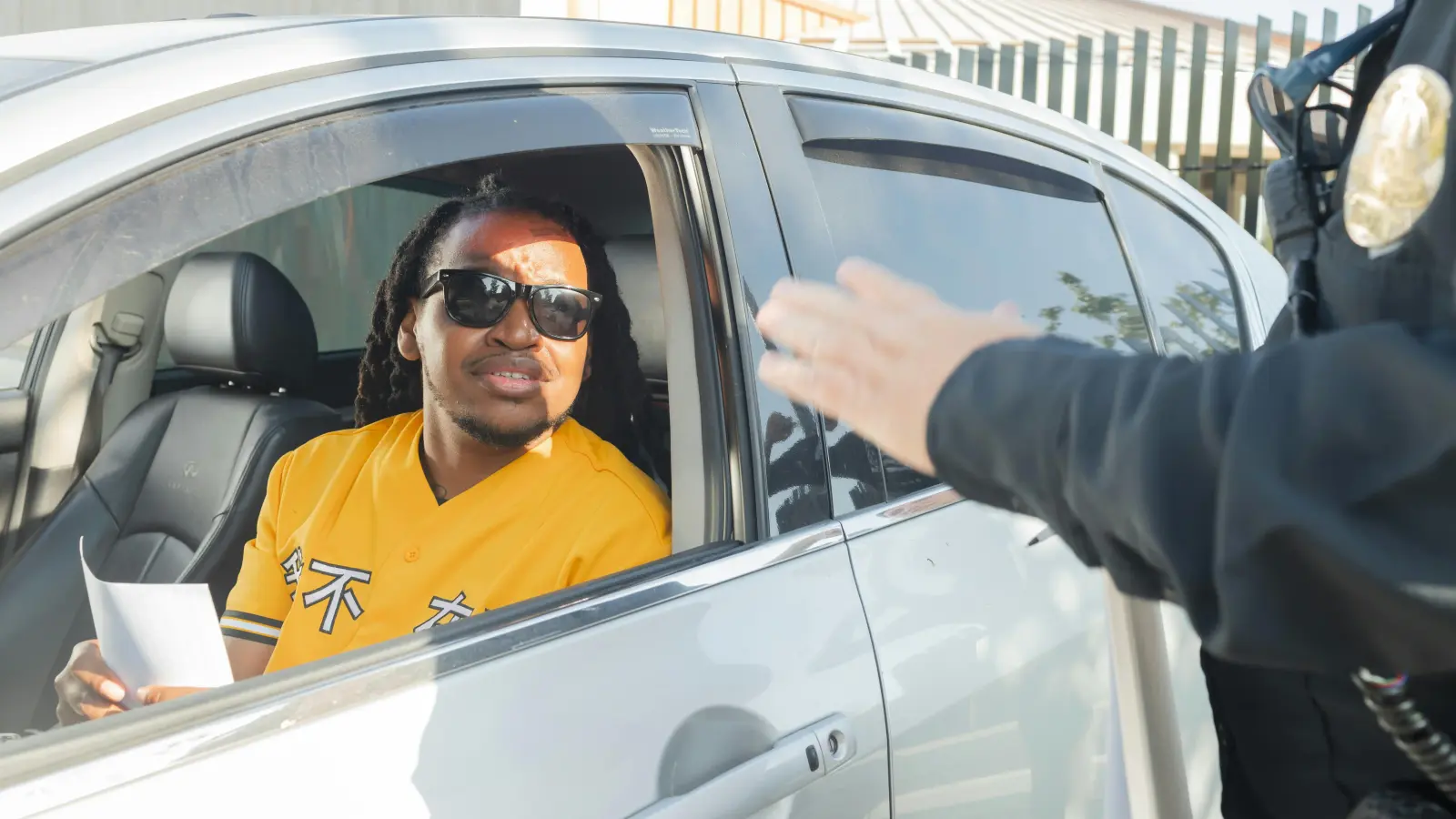
How do I contest a traffic ticket in Ontario under the Provincial Offences Act?
In Ontario, do not pay the ticket — paying is an admission of guilt. On the back of the ticket you will find three options: pay, request a meeting with a prosecutor (Option 2 — early resolution), or request a trial (Option 3). Select Option 3 or Option 2 and submit the ticket to the courthouse listed on it within 15 days of the offence. Once you select the trial option, the court will mail you a hearing date. Missing the 15-day deadline results in a deemed conviction without a hearing.
What is the BC ticket dispute process?
In BC, traffic violations issued under the Motor Vehicle Act are handled by the BC Violation Ticket Centre. You can dispute your ticket online at traffic.gov.bc.ca or by mailing a completed Dispute Notice to the address on the ticket. The deadline to dispute is 30 days from the date on the ticket. After filing, you will receive a hearing date before a Judicial Justice of the Peace. BC also offers an online dispute resolution process for eligible tickets.
How do I dispute a traffic ticket in Alberta?
In Alberta, a violation ticket gives you the option to pay the fine or dispute it in court. To dispute, complete the Notice of Dispute section on the back of the ticket and submit it to the courthouse listed on the ticket within 30 days. You will be scheduled for a first appearance before a Provincial Court judge. At that appearance you can plead guilty with an explanation, request an adjournment to prepare, or proceed to a full trial. No lawyer is required at any stage.
What is disclosure and how do I request the officer's notes?
Disclosure is your right to receive the Crown's evidence before your hearing — most importantly, the investigating officer's notes, witness statements, and any speed measuring device calibration records. In Ontario, request disclosure in writing to the prosecutor's office at the courthouse at least several weeks before your hearing date. In BC, request it through the Violation Ticket Centre or at the courthouse. Review the disclosure carefully for errors in date, time, location, licence plate, or vehicle description — any of these can be grounds to challenge the ticket.
What are the strongest grounds for beating a traffic ticket at trial?
Common successful defences include: the issuing officer fails to appear at the hearing (resulting in automatic dismissal in most provinces), a procedural error on the face of the ticket such as an incorrect licence plate or wrong highway number, the officer's notes are incomplete or inconsistent with the ticket, a necessity defence where you had no choice but to commit the offence, or a Charter argument about your rights during the stop. Officer non-appearance is statistically the most common reason tickets are dismissed — request a trial and attend on your scheduled date.

How do demerit points affect my insurance premiums in Canada?
Demerit points are recorded on your driving record by your provincial licensing authority — not directly by your insurer. However, insurers review your abstract (driving record) at renewal. A serious conviction or accumulation of demerit points typically results in premium increases of 10-30% or more, surcharges, or placement in a high-risk insurance pool. Keeping a clean abstract by fighting or reducing charges to lesser offences with fewer or no demerit points can save significantly on insurance over several years.
What happens at an early resolution meeting with the prosecutor in Ontario?
An early resolution meeting (Option 2 in Ontario) is an informal discussion with a prosecutor before any court appearance. The prosecutor reviews your ticket and may offer to reduce the charge to a lesser offence — for example, reducing a speeding charge from 15 km/h over to 10 km/h over, which carries a lower fine and fewer demerit points. You are not required to accept any offer. If you do not reach an agreement, you can still proceed to a full trial. This meeting is a genuine opportunity to resolve the matter without a hearing.
Do I need a paralegal or agent to fight a traffic ticket?
No. You have the right to represent yourself at any traffic ticket hearing in every Canadian province. You can appear personally, request disclosure, cross-examine the officer, and make legal arguments without hiring anyone. Provincial traffic courts are specifically designed to be accessible to unrepresented individuals. If you are facing a serious driving offence with significant criminal consequences — such as dangerous driving or impaired driving — legal representation becomes much more important.
What does a fine reduction or lesser charge plea look like in practice?
A plea to a lesser charge typically involves agreeing with the prosecutor that you will plead guilty to a reduced offence — for example, from speeding 20 km/h over the limit (4 demerit points) to a non-moving violation with no demerit points but a similar fine. The prosecutor notes the agreement, the court registers your guilty plea to the lesser charge, and the original charge is withdrawn. No trial is needed. This outcome preserves your driving record and protects your insurance rates while still resolving the matter quickly.
How does uplaw.ai help prepare for a traffic ticket hearing?
uplaw.ai walks you through the disclosure request process for your province, helps you identify errors on the ticket or in the officer's notes, prepares your questions for cross-examining the officer at trial, and drafts a written submission if your province allows it. The AI explains what to expect at an early resolution meeting and how to evaluate any offer the prosecutor makes — all in plain language, without the cost of a paralegal or traffic ticket agent.

What happens if I miss my traffic court hearing date?
If you miss your scheduled hearing date without notifying the court in advance, the matter will typically proceed in your absence and a conviction will be entered. In Ontario this is called a deemed conviction. Once convicted in absentia, you may be able to apply to reopen the matter if you have a valid reason for missing the hearing, but this is not guaranteed and involves additional steps. Always notify the courthouse immediately if you cannot attend — most courts will grant at least one adjournment if requested in advance.
Can a traffic conviction be removed from my driving record in Canada?
Traffic convictions stay on your provincial driving record for a set period — typically three years in Ontario and BC for most offences, and three years in Alberta. After that period, the conviction no longer appears on your standard driving abstract used by insurers. There is no formal expungement process for traffic convictions in Canada — the retention period simply runs out. This is another reason to fight or reduce charges: a minor offence or non-moving violation may carry a shorter retention period or no impact on your abstract at all.
What is an absolute liability offence and how does it affect my defence?
Most traffic offences in Canada are strict liability offences — meaning the Crown does not need to prove you intended to speed or run a red light, only that you did it. However, you can raise a due diligence defence: that you took all reasonable steps to avoid committing the offence. Absolute liability offences offer no such defence — conviction follows proof of the act alone. Most standard speeding and minor highway traffic violations are strict liability, so a due diligence or necessity argument is available to you even when the facts of the offence are not in dispute.

Free to start
Ready to file? Tell uplaw.ai what's going on.
No account required. uplaw.ai walks you through the disclosure request, identifies errors on your ticket, and prepares your hearing strategy.